What are peptides? A plain-English guide
Peptides are short chains of amino acids. In the Philippines the word gets used for four very different products, from face serums to prescription medicines to research vials. Here is what each one is, so you know what you are actually looking at.
A peptide is a short chain of amino acids. Your body makes thousands of them, and some well-known medicines, like insulin, are peptides. The "peptides" people buy in vials in the Philippines are research compounds: synthetic, freeze-dried, and not registered as medicines.
What peptides are
Amino acids are the building blocks of proteins. Link a handful of them together and you have a peptide. Link hundreds and fold the chain into a shape and you have a protein. A widely cited review describes therapeutic peptides as well-ordered chains of amino acids, usually with a molecular weight of about 500 to 5,000 daltons.
Many peptides work as messengers. Hormones like insulin and the incretin hormones GLP-1 and GIP are peptides. That signalling role is why drug developers study them, and why synthetic versions exist.
Wang et al., 2022: Therapeutic peptides: current applications and future directions (Signal Transduction and Targeted Therapy).
The four kinds of 'peptide' product in the Philippines
| Kind | Where you see it | What it is | Status |
|---|---|---|---|
| Skincare peptides | Serums and creams at Watsons, SM, online beauty shops | Short peptides added to cosmetics, often marketed for firmness. Used on the skin. | Cosmetic rules |
| Collagen peptides | Supplement aisles, Lazada, Shopee | Collagen broken down into small pieces and sold as a powder or drink. A food supplement. | Food supplement rules |
| Prescription peptide medicines | Pharmacies, with a prescription | Registered medicines such as insulin and GLP-1 medicines, made to an approved specification. | Registered with FDA Philippines |
| Research peptides | Specialist online sellers | Freeze-dried powder in sealed vials, sold for laboratory research. Not registered medicines. | Not approved for use in people |
A "GLP-1" capsule or patch on a marketplace is a supplement using the name, not an incretin medicine. See GLP-1 in the Philippines.
Peptide medicines already approved
Insulin was isolated in 1921 and became the first commercial peptide drug in 1923. Today more than 80 peptide drugs are approved worldwide, and GLP-1 receptor agonists for diabetes and weight management are among the best-selling medicines of any kind.
These medicines are made to a registered specification, dispensed with a prescription, and used under medical supervision. That is the difference between a medicine and a research vial with the same molecule name.
What research peptides are
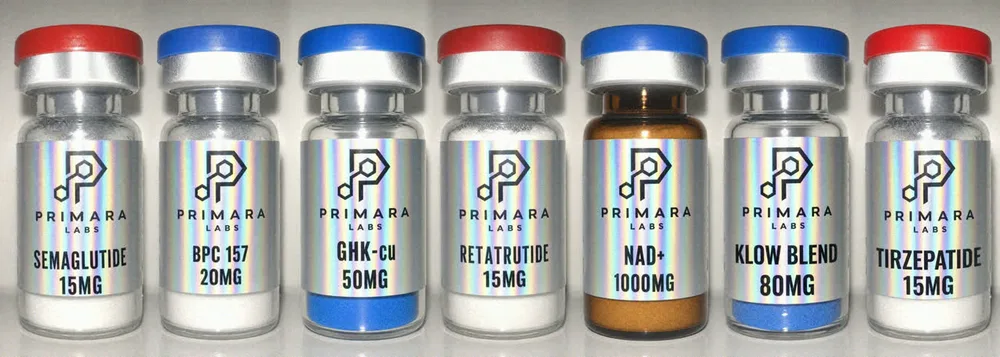
Research peptides are synthetic copies of peptides studied in laboratories, sold as a freeze-dried powder (a "cake") in a sealed glass vial. They are mixed with bacteriostatic water before use in the lab. They are not registered medicines and are not approved for use in people.
Because they are not made to a registered specification, the only thing that tells you what is in a vial is a lab report for that lot. Read how to verify a certificate and the documents to ask for before buying from anyone. The peptide calculator covers the maths of mixing a vial.
The most searched peptides in the Philippines
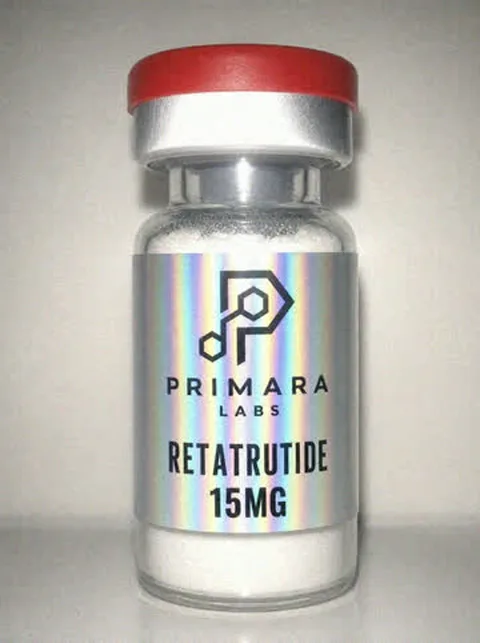
Retatrutide
A triple agonist of the GIP, GLP-1 and glucagon receptors.
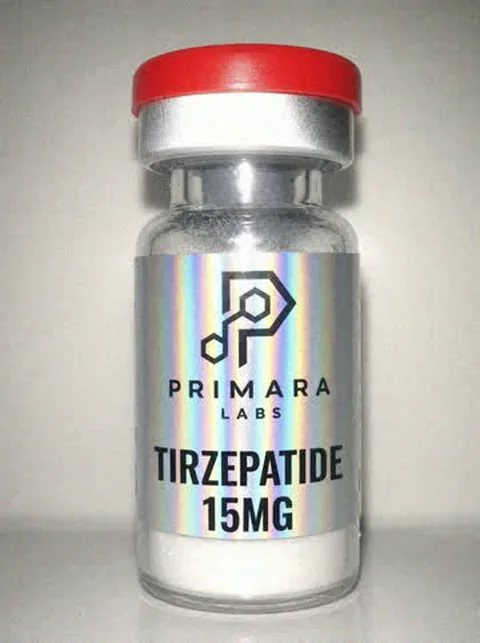
Tirzepatide
A dual agonist of the GIP and GLP-1 receptors.
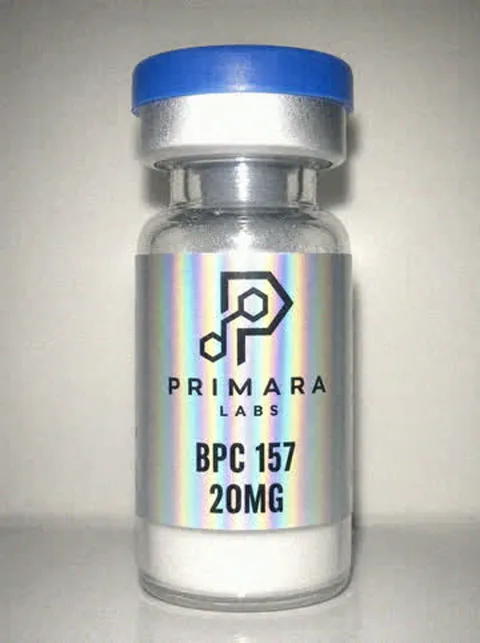
BPC-157
A 15 amino acid peptide derived from a protein found in gastric juice.
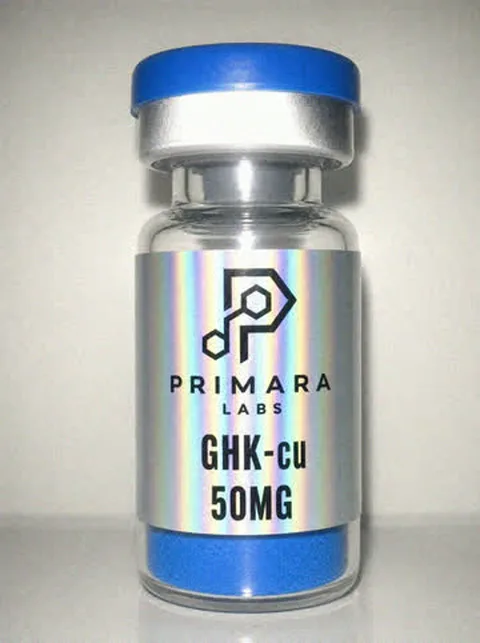
GHK-Cu
A copper-binding tripeptide (glycyl-histidyl-lysine) found in human plasma.
See all 16 compounds, or read which peptides have real weight loss data.
Questions
What are peptides in simple terms?
Peptides are short chains of amino acids, the same building blocks that make up proteins. They are smaller than proteins and many act as signals in the body, such as hormones.
What is the difference between a peptide and a protein?
Size. Peptides are short chains, usually described as having a molecular weight of about 500 to 5,000 daltons. Proteins are much longer chains that fold into complex shapes.
Are collagen peptides the same as research peptides?
No. Collagen peptides are a food supplement made by breaking down collagen. Research peptides are specific synthetic molecules sold in vials for laboratory use.
What are examples of peptide medicines?
Insulin, first sold as a medicine in 1923, is the classic example. Modern GLP-1 medicines for diabetes and weight management are also peptides. More than 80 peptide drugs have been approved worldwide.
Are peptides legal in the Philippines?
Registered peptide medicines are legal with a prescription, and skincare and collagen products are sold openly. Research peptides are not registered medicines. Our legal status guide sets out what is and is not settled.
Where can I buy peptides in the Philippines?
Research peptides are sold by specialist online sellers. This site's partner and supplier, Primara Labs, stocks 16 compounds in Metro Manila from ₱1,190 ($20) a vial.
Not medical or legal advice. Peptides sold as research compounds are not registered medicines with FDA Philippines and are not approved for use in people. If you are thinking about any compound for your own health, speak to a licensed physician first.
Ready to order? Primara Labs delivers same day in Metro Manila.
Prices from ₱1,190 ($20) a vial, a 60 day money-back guarantee if an accredited lab disagrees with the label, and orders placed on WhatsApp with the owner.
Keep reading
Peptides for weight loss: what the research actually says
Evidence levels for every compound people call a weight loss peptide, with sources.
Read the guide →Start hereWays to buy peptides in the Philippines
The four ways to buy, what each one is good and bad at, and what to confirm before paying.
Read the guide →CheckingHow to verify a peptide certificate of analysis
How to read a COA line by line, plus a tool that checks a Janoshik verification link.
Read the guide →