Tirzepatide side effects: what the trials reported
Tirzepatide is one of the most searched compounds in the Philippines, and its side effects are one of the most searched questions about it. Here is what the main published trial measured and what the official US prescribing information warns about, in plain language and with sources.
In the SURMOUNT-1 trial, the common side effects of tirzepatide were nausea, diarrhea, constipation and vomiting, mostly mild to moderate and mostly while the dose was increasing. The US prescribing information adds warnings on thyroid tumours in rats, pancreatitis, gallbladder disease and low blood sugar with other diabetes drugs.
Common side effects in the SURMOUNT-1 trial
SURMOUNT-1 followed 2,539 adults with obesity and without diabetes for 72 weeks, comparing three tirzepatide dose groups with placebo. The range below runs across the three dose groups.
| Side effect | Tirzepatide | Placebo |
|---|---|---|
| Nausea | 24.6% to 33.3% | 9.5% |
| Diarrhea | 18.7% to 23.0% | 7.3% |
| Constipation | 11.7% to 17.1% | 5.8% |
| Vomiting | 8.3% to 12.2% | 1.7% |
| Stopped because of side effects | 4.3% to 7.1% | 2.6% |
Jastreboff et al., NEJM 2022 (SURMOUNT-1), and the developer's summary of the published results. Constipation was lowest in the highest dose group.
Warnings in the official prescribing information
The US prescribing information for approved tirzepatide medicines lists these warnings. They describe the registered medicine used under medical supervision.
Thyroid C-cell tumours
A boxed warning: tirzepatide caused thyroid C-cell tumours in rats. Whether it does in humans is unknown. The medicine is not for people with a personal or family history of medullary thyroid carcinoma or MEN 2.
Pancreatitis
Acute pancreatitis has been reported. Persistent severe abdominal pain is the warning sign the label describes.
Gallbladder problems
Acute gallbladder disease, including gallstones, is listed.
Low blood sugar
The risk rises when it is combined with insulin or sulfonylureas.
Kidney injury
Dehydration from vomiting or diarrhea can lead to acute kidney injury.
Severe stomach and gut reactions
Severe gastrointestinal reactions are listed separately from the common mild ones.
Diabetic eye disease
Complications of diabetic retinopathy are listed for people with type 2 diabetes or a history of retinopathy.
Oral contraceptives
It can reduce how well oral contraceptives work around the start of treatment and after dose changes; the label advises a non-oral or backup method during those windows.
Anaesthesia
Risk of pulmonary aspiration during anaesthesia or deep sedation is listed.
US FDA prescribing information (weight management) and US FDA prescribing information (type 2 diabetes), revised 2026.
Compared with semaglutide
Semaglutide's STEP 1 trial reported nausea in 44.2% of people against 17.4% on placebo, and 7.0% stopped because of side effects. The trials had different designs, so the numbers are not directly comparable. The one head-to-head trial, SURMOUNT-5, found 6.1% stopped tirzepatide and 8.0% stopped semaglutide because of side effects.
Full comparison, including the weight results: semaglutide vs tirzepatide.
What this means for research vials
Everything above describes the registered medicine. A research vial of tirzepatide is a different product. Its contents, purity and any contamination depend on the lot, which is why a certificate you can open on the lab's own site matters more than any number on a label. See how to verify a certificate.
Research tirzepatide is not approved for use in people. If you are considering tirzepatide for your own health, the prescription route through a licensed physician in the Philippines exists for exactly that.
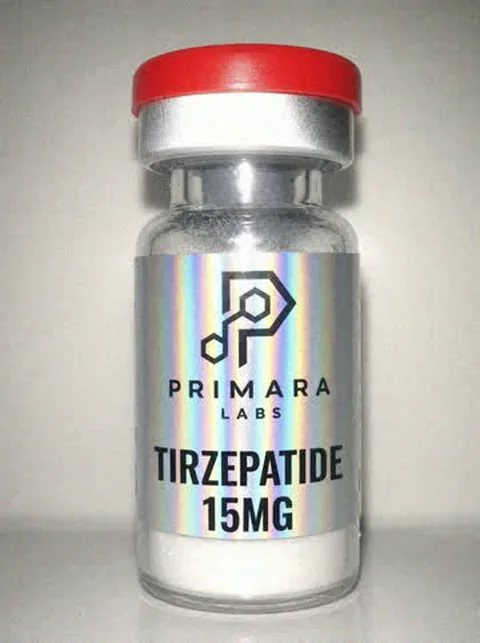
Tirzepatide
A dual agonist of the GIP and GLP-1 receptors.
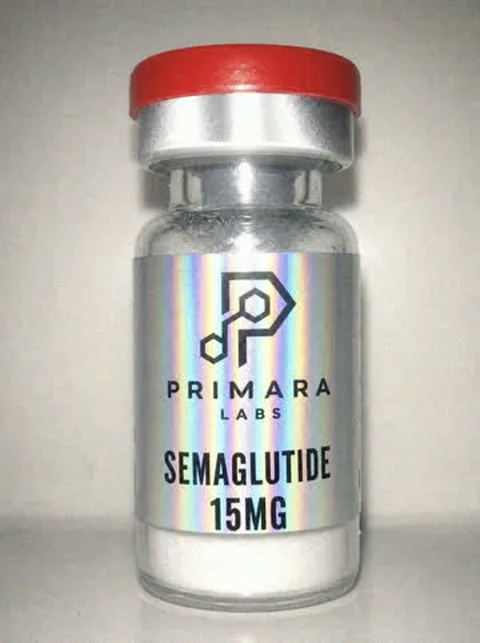
Semaglutide
A GLP-1 receptor agonist.
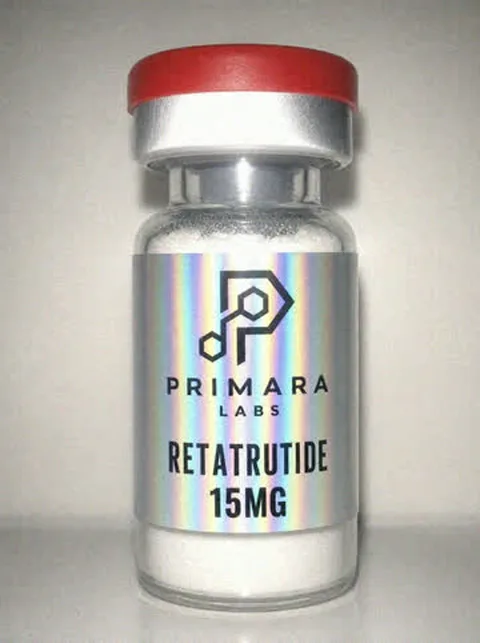
Retatrutide
A triple agonist of the GIP, GLP-1 and glucagon receptors.
Questions
What are the most common side effects of tirzepatide?
In the SURMOUNT-1 trial the most common were nausea, diarrhea, constipation and vomiting. They were mostly mild to moderate and happened mainly while the dose was being increased.
How many people stop tirzepatide because of side effects?
In SURMOUNT-1, 4.3% to 7.1% of people on tirzepatide stopped because of side effects, against 2.6% on placebo.
Does tirzepatide have more side effects than semaglutide?
In the head-to-head SURMOUNT-5 trial, 6.1% stopped tirzepatide and 8.0% stopped semaglutide because of side effects. The trial was not designed to compare safety, so treat that as a signal, not a verdict.
Do research vials of tirzepatide have the same side effects?
The trial data describes the registered medicine. A research vial is a different product whose contents depend on the lot, which is one reason a lab report for that lot matters. Research vials are not approved for use in people.
What should I do if I have side effects?
Speak to a licensed physician. The label describes persistent severe abdominal pain as a warning sign of pancreatitis that needs medical attention.
Not medical or legal advice. Peptides sold as research compounds are not registered medicines with FDA Philippines and are not approved for use in people. If you are thinking about any compound for your own health, speak to a licensed physician first.
Ready to order? Primara Labs delivers same day in Metro Manila.
Prices from ₱1,190 ($20) a vial, a 60 day money-back guarantee if an accredited lab disagrees with the label, and orders placed on WhatsApp with the owner.
Keep reading
Semaglutide vs tirzepatide: the head-to-head trial
What the only head-to-head trial found, side by side, with prices per milligram.
Read the guide →BuyingGLP-1 peptides in the Philippines: retatrutide vs tirzepatide vs semaglutide
The three incretin compounds side by side: receptors, trials, approval and price per mg.
Read the guide →ResearchPeptides for weight loss: what the research actually says
Evidence levels for every compound people call a weight loss peptide, with sources.
Read the guide →